
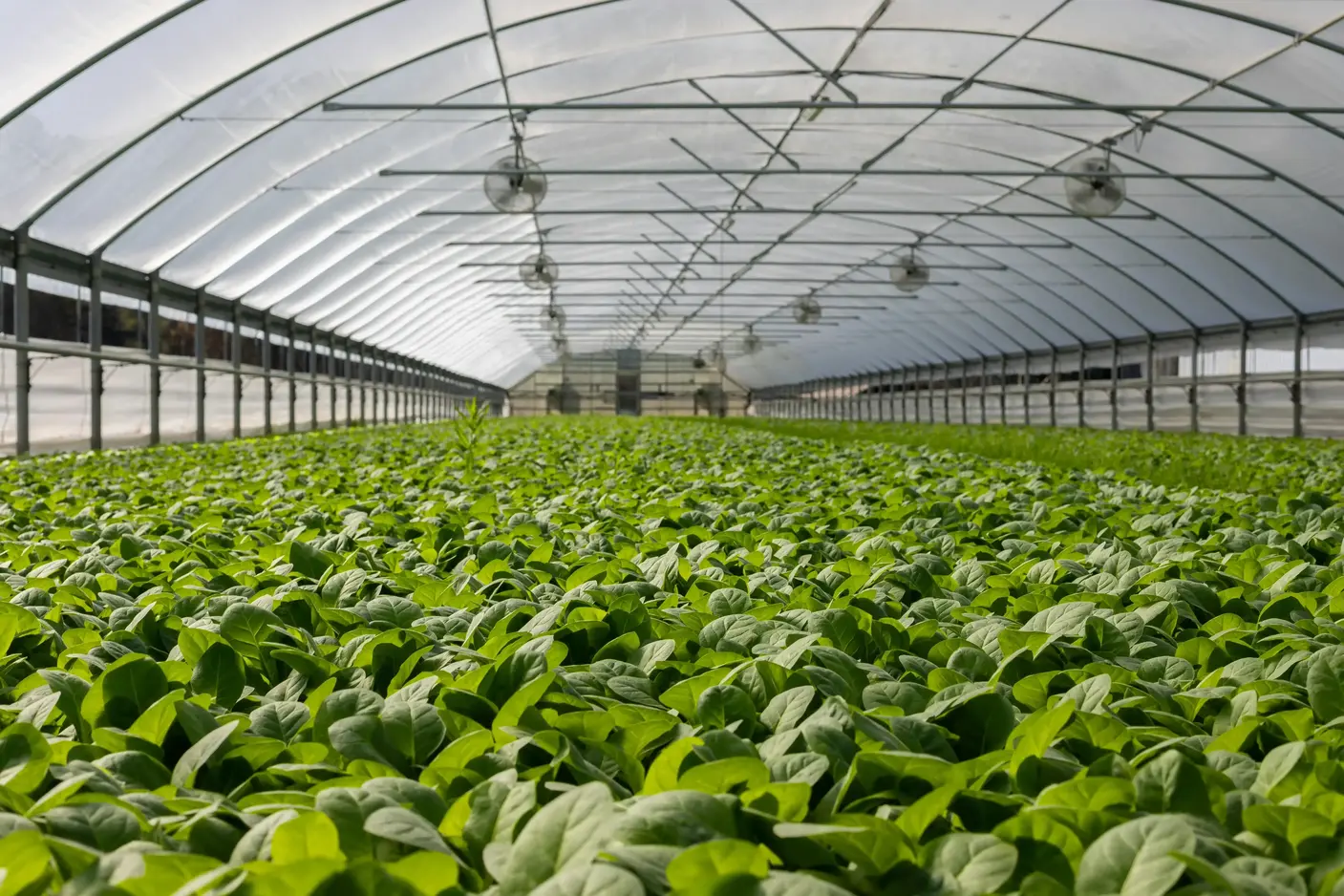
INCREASING GLOBAL FOREST COVER BY 1/3

Restoring forests is one of the most effective ways to combat the climate crisis. Trees absorb CO₂ from the atmosphere and lock away carbon in their trunks, branches, roots, and the surrounding soil. Reforesting our planet not only captures carbon but also protects biodiversity, purifies the air, and helps stabilize ecosystems for future generations.

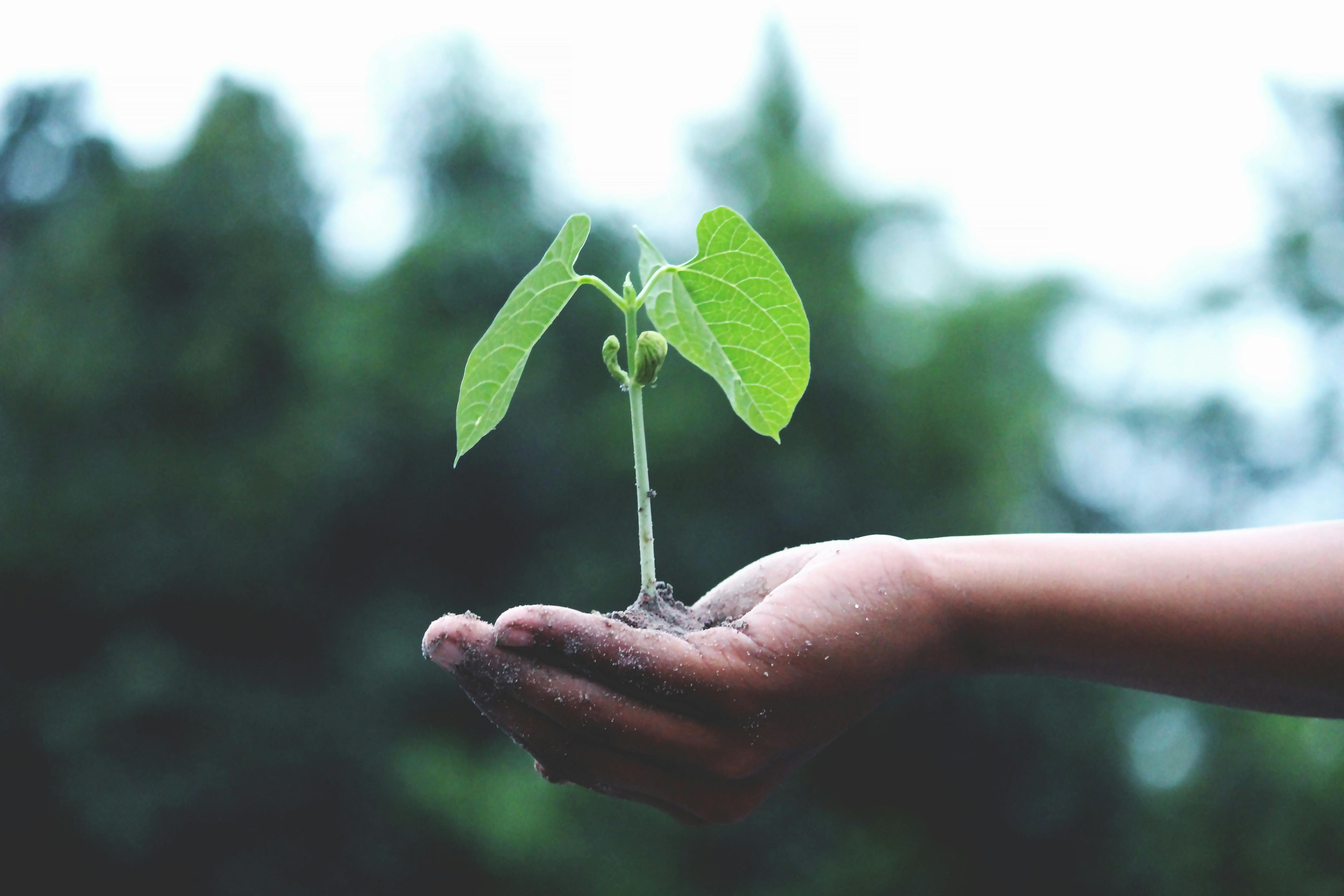
India was once covered by vast forest landscapes — stretching from the Western Ghats to the Himalayan foothills. Over time, large portions of this forest cover were lost due to deforestation, urban expansion, and agricultural use. Today, India retains only about one-third of its original tree cover.
Restoring every lost tree is not possible — we need land for food, infrastructure, and communities. But the encouraging news is this: India has the potential to restore nearly 30 million hectares of degraded land through reforestation, without disturbing agricultural zones or inhabited areas.
If done right, this effort could capture billions of tons of CO₂, making a major contribution to India’s climate goals and commitments under the Paris Agreement.
But restoring forests does much more than absorb carbon. It helps revive India’s rivers, protects wildlife habitats, supports rainfall patterns, reduces erosion, and improves soil health. Reforestation in regions like Madhya Pradesh, Maharashtra, Chhattisgarh, and parts of the Northeast can also boost rural livelihoods and ecological stability.
In India, planting trees is not just environmental action — it’s nation building.
This doesn't mean we should never use trees — in fact, using wood thoughtfully is part of the solution. In India, as in many parts of the world, the construction industry is a major emitter of greenhouse gases, especially through the production of concrete and steel, which together contribute to about 13% of global CO₂ emissions.
By shifting toward timber-based construction, we can significantly reduce emissions. Wood is a renewable resource, and much of the carbon a tree absorbs remains stored in its wood — even after it’s been harvested and used in buildings.
In short, regrowing forests and using timber wisely can play a vital role in India's journey toward a low-carbon, sustainable future.

Bringing back forests — and even a trillion trees — may be easier than it sounds. In many parts of India, forests can regrow naturally if left undisturbed. In recently deforested areas, where the soil still holds seeds and nearby forests remain intact, nature itself can plant millions of trees. In these cases, we simply need to step aside and let the land heal. However, not all landscapes recover on their own. In severely degraded or barren regions, tree planting becomes essential. That's why it's important to choose the right restoration method for each area — sometimes that means planting trees, sometimes it means protecting the land and letting nature do the work.
But in our excitement to regrow forests, we must not forget the value of the forests we still have. Protecting existing trees is even more powerful than planting new ones. A mature tree holds decades' worth of stored carbon — something a new sapling will take years to match. Sadly, we’re still losing about 10 billion trees every year globally — more than the total number of trees currently standing in all of India (~8 billion). If we want reforestation to succeed, protection and regeneration must go hand in hand.

The world’s current 3 trillion trees represent immense natural value (think green). There is potential to restore 1 trillion more (think yellow). But while reforestation plays a vital role, trees alone cannot solve the climate crisis.
To stay within safe temperature limits, India must also drastically reduce carbon emissions — by transitioning away from fossil fuels, embracing renewable energy, promoting public transport, and encouraging climate-conscious diets. Restoring forests cannot replace the need to cut emissions — both must happen together to effectively combat the climate emergency.
Additionally, it's not just our forests that need revival. India’s grasslands, wetlands, and peatlands — such as those in Madhya Pradesh, Assam, and the Western Ghats — are also critical ecosystems. These landscapes store massive amounts of carbon, support rich biodiversity, and protect water sources when preserved and restored. To truly secure a climate-resilient future, India must focus on cutting emissions and restoring diverse ecosystems — not one or the other, but both, together.
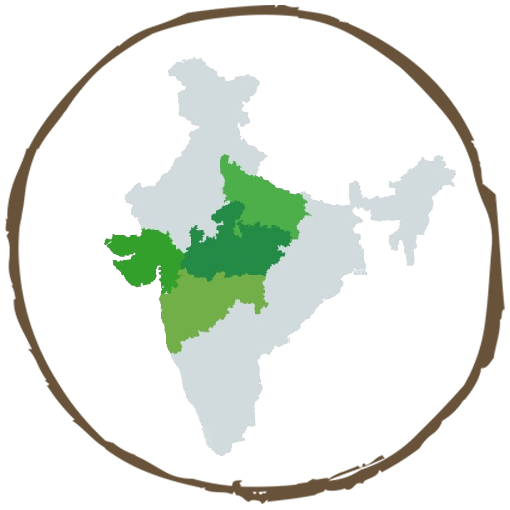
We strengthen India’s green lungs by planting trees right at our doorstep — across our home country. By focusing locally, we can plan, execute, and monitor with greater impact.

A single tree can produce over 1,000 kg of oxygen each year — enough for up to 10 people. Trees don’t just give us cleaner air; they sustain life itself.

Trees anchor the soil, prevent erosion, and enrich its quality — a vital support for sustainable farming and food security. Planting trees helps preserve fertile land and protect natural resources.”

Trees enhance our surroundings, boost well-being, and create calming green spaces where people can relax and connect with nature.

Forests and tree-lined areas act as natural sound barriers, reducing noise pollution from urban and industrial zones. Quieter surroundings improve health, reduce stress, and enhance overall well-being.

Trees regulate the water cycle by storing and slowly releasing water, preventing floods, replenishing groundwater, and safeguarding water quality.

Trees provide habitat and food for countless species, supporting biodiversity and healthy ecosystems. Planting trees helps protect wildlife and preserve vital natural habitats.

Forests help combat climate change by cooling the environment, reducing extreme weather impacts, and regulating water flow, making ecosystems more resilient.


100% CO₂ compensated all direct (Scope 1) and relevant indirect (Scope 2 and 3) greenhouse gas emissions for one business location in India — including its employees — have been fully reduced and offset for the year 2023. This is in accordance with the Greenhouse Gas Protocol Corporate Standard.
JadnJal Agro Pvt Ltd
Indore, 452016
Mobile: +91 8318943036
© 2026. JadnJal Agro Pvt Ltd All Rights Reserved.
GST: 23AAGCJ8589G1Z5
FASSAI: XXXXXXXXXXXXX